

Women living with HIV I salute you!
When I was diagnosed with HIV in 1997, apart from the shock and fear and my whole life being turned upside down, I had to deal with the reality the programs and services were largely focused on men.
When I was diagnosed with HIV in 1997, apart from the shock and fear and my whole life being turned upside down, I had to deal with the reality the programs and services were largely focused on men.
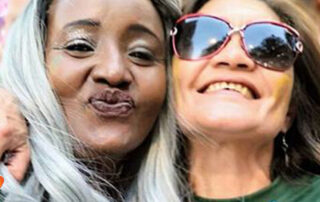
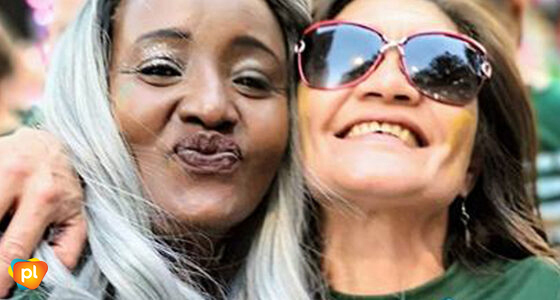
I am Angel and I am from the southern part of Africa. I am 39 years old and this is my story.
If a confident, articulate person like me has had so much hesitation and struggle around living with HIV, then how must it be for others?
I am acutely aware that the lived experience of women living with HIV today is still mired in ignorance and invisibility.
Women living with HIV are not seen as a priority group for contracting HIV, so we are not routinely tested and don’t receive targeted education for women.
‘Losing face’ is a big thing within my culture and family community.
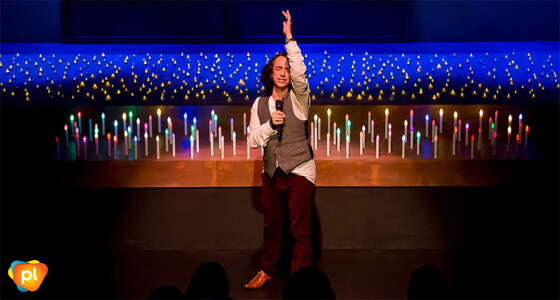
Reflections on the 2019 Candlelight Memorial, held in Darlinghurst.
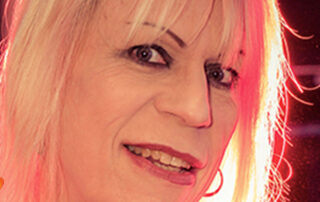
The ice breaker I like to use is, ‘I’m Trans, over 50 and Poz; not a winning trifecta in the relationship market place.’
Matthew Hall was diagnosed with HIV as a 23-year-old in 1995. Given effective antiretroviral treatment was yet to become available, HIV was considered a death sentence at this time.
Treating someone differently based on their race, culture, language, ethnicity or national origin is never okay, yet is a daily reality for many of us living with HIV in Australia.
Proudly sponsored by:

Disclaimer | Your Privacy | Rights and Complaints | ©2009-25 PLNSW. All Rights Reserved