

Dispatches from the Coronaverse
I’m on a three-week cruise with a friend out of Sydney. Reports of Coronavirus (COVID-19) in countries other than China are becoming widespread.
I’m on a three-week cruise with a friend out of Sydney. Reports of Coronavirus (COVID-19) in countries other than China are becoming widespread.
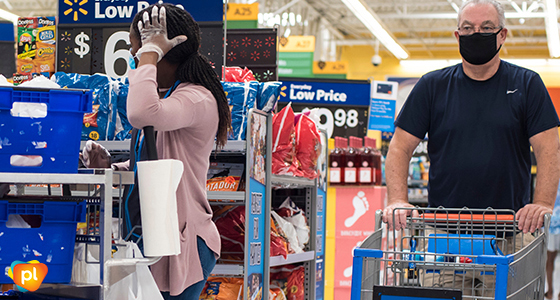
Today I visited a local supermarket to pick up some groceries. It was eerie. People were panic-ridden, wore masks, and looked at each other with suspicion and fear.
We are the survivors of the HIV/AIDS epidemic that started in Australia in the early 1980s, and there are some similarities between it and the current COVID-19 pandemic.
Five years after a HIV diagnosis, Nathan found the love and fulfilment he was looking for.
When I was diagnosed with HIV in 1997, apart from the shock and fear and my whole life being turned upside down, I had to deal with the reality the programs and services were largely focused on men.
I am Angel and I am from the southern part of Africa. I am 39 years old and this is my story.
If a confident, articulate person like me has had so much hesitation and struggle around living with HIV, then how must it be for others?
I am acutely aware that the lived experience of women living with HIV today is still mired in ignorance and invisibility.
Women living with HIV are not seen as a priority group for contracting HIV, so we are not routinely tested and don’t receive targeted education for women.
While those of us living with HIV have an increasing life expectancy, many of us are facing a greater loneliness.
Proudly sponsored by:

Disclaimer | Your Privacy | Rights and Complaints | ©2009-25 PLNSW. All Rights Reserved