
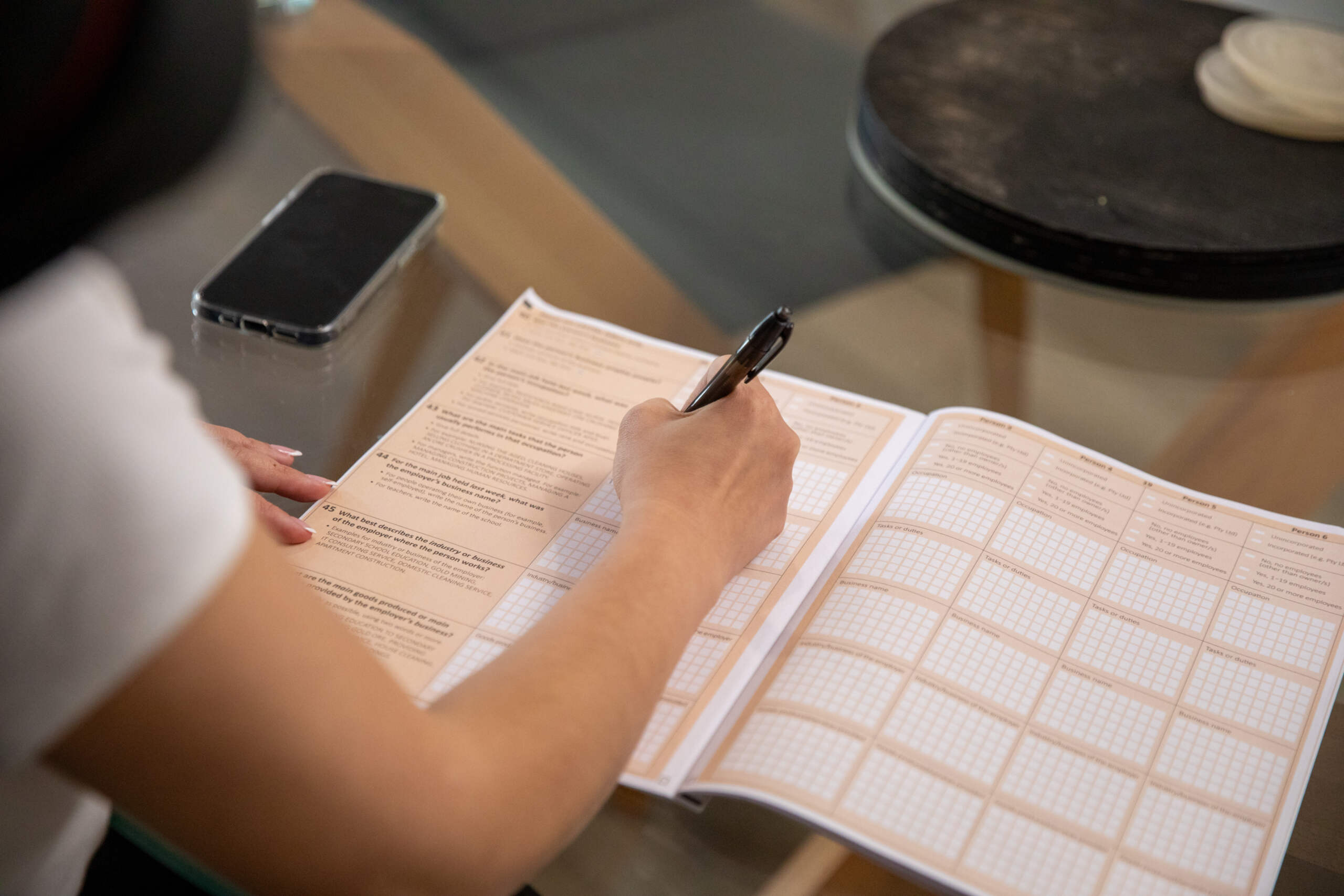
On Tuesday, 11 August 2026, households across Australia will take part in one of the country’s most important national data collections: the Australian Census.
Held every five years, the Census is compulsory for all households and provides a snapshot of the nation by counting every person and household on Census Night. The information collected helps governments, researchers, community organisations, and businesses better understand Australia’s changing population and make informed decisions about the services, infrastructure, and policies communities need.
As Australia continues to grow and evolve, the Census is evolving too. By capturing the nation’s cultural diversity alongside the many ways people identify and experience life, the 2026 Census aims to provide the most complete picture yet of modern Australia.
A Tradition That Dates Back More Than a Century
The first official nationwide Census was conducted in 1911 by the then Commonwealth Bureau of Census and Statistics.
Since 1961, the Census has been held every five years, evolving over time to reflect changes in Australian society and the information needed to support evidence-based decision-making.
A Census That Reflects Modern Australia
As Australia continues to become more diverse in its cultures, communities, and identities, the Census has evolved to better reflect the people who call the country home. The 2026 Census introduces new questions while continuing to collect important information about Australia’s multicultural population, providing a richer and more accurate picture of the nation.
A Historic First: Sexual Orientation
For the first time, the Australian Census will include a question on sexual orientation for people aged 16 years and over. While the Census has undergone many changes since 1911, this is the first time sexual orientation has been included as a standard Census question.
People will be able to select from the following responses:
- Straight
- Gay or Lesbian
- Bisexual
- Uses another term (with a free-text response)
- Don’t know
- Prefer not to answer
A New Way to Describe Gender
The 2026 Census will also introduce a new two-part question that allows people to describe their gender by separately recording:
- Sex recorded at birth
- Gender identity
These additions acknowledge that sexual orientation and gender identity can influence people’s lived experiences and provide valuable information for planning health services, community programs, research, and public policy.
Capturing Australia’s Cultural Diversity
Australia is one of the world’s most multicultural nations, and the Census continues to play a vital role in understanding that diversity. Questions about languages spoken at home and English proficiency help governments and service providers plan education, healthcare, translation services, and community support.
The 2026 Census includes new questions that help paint a more complete picture of Australia’s cultural diversity.
- Ancestry: People can record up to four ancestries, allowing them to represent the full breadth of their cultural heritage and identity.
- Country of Birth of Parents: The Census records where individuals and their parents were born, providing valuable insights into migration and Australia’s evolving population.
- Religious Affiliation: Updated classifications will capture greater religious diversity.
These questions recognise that many Australians identify with multiple cultures and languages. The information helps ensure services and policies are responsive to the needs of diverse communities across the country.
Why These Changes Matter
The inclusion of new questions on sexual orientation and gender identity, alongside enhanced recognition of Australia’s multicultural identity, reflects years of consultation with experts, researchers, community organisations, and government reviews.
Together, these questions provide a more complete and representative picture of Australia. They acknowledge that people’s experiences are shaped by many aspects of who they are, including their culture, language, ancestry, gender, and sexual orientation.
By collecting more comprehensive information, the Census strengthens the evidence available for:
- Delivering health and community services
- Planning hospitals, schools, and transport
- Supporting multicultural and diverse communities
- Informing government policy
- Understanding how Australia’s population is changing over time
Looking Ahead
Every Census tells the story of Australia at a particular moment in history. The information collected on 11 August 2026 will help shape decisions that affect communities for years to come.
For more information or support with completing the Census, visit: https://info.census.abs.gov.au/help